
Explainer · Storms & floods
Hurricane, typhoon or cyclone: what is the difference?
The names mostly tell you where a tropical cyclone occurs. They do not describe three unrelated kinds of storm, and they are not a complete guide to danger.
SharedMorrow Editorial · Last reviewed 2026-10-05
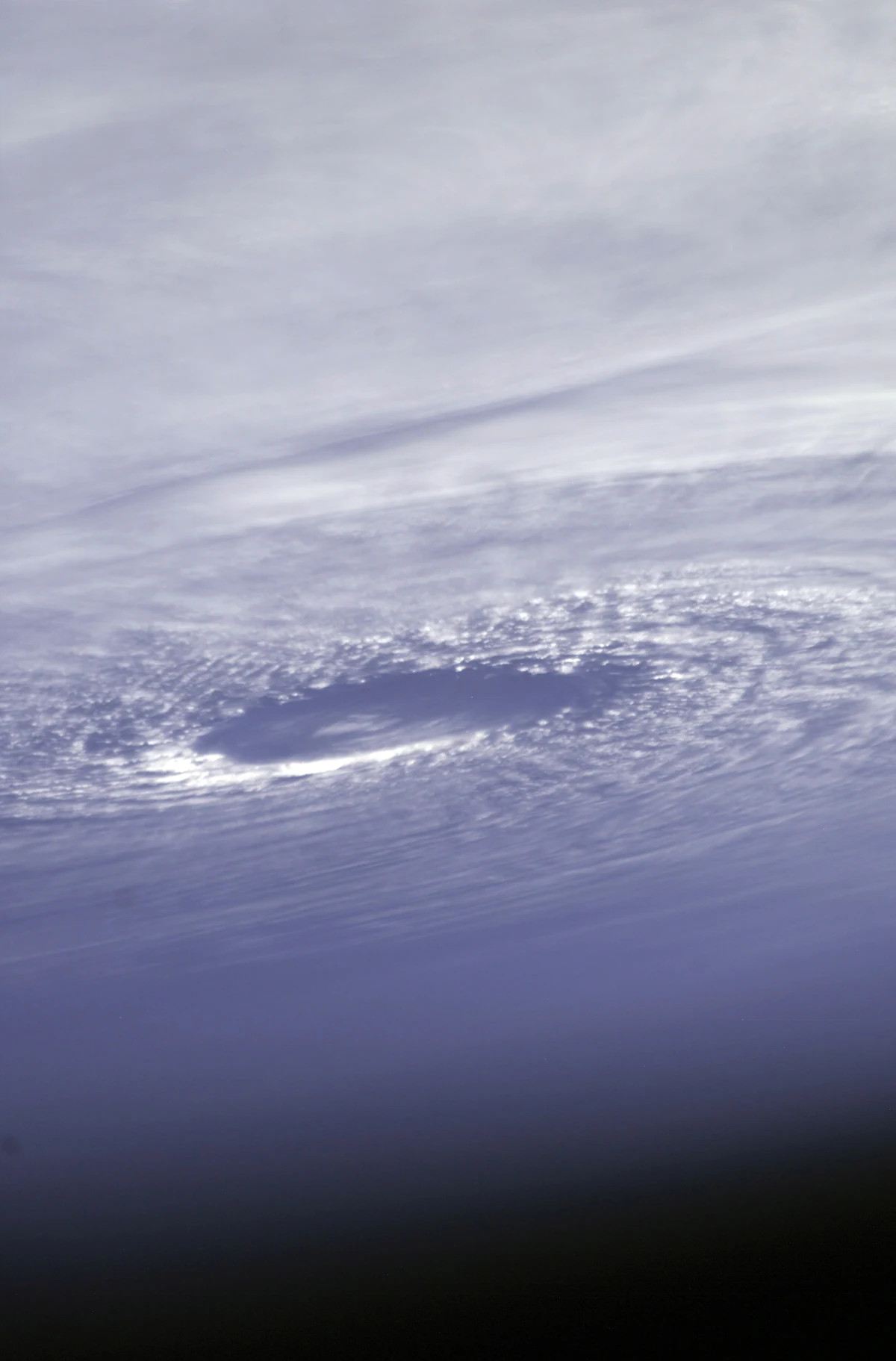
One family of rotating storms
A tropical cyclone is an organised, rotating system of clouds and thunderstorms that develops over tropical or subtropical waters and has a closed circulation near the surface. Its energy supply is closely connected to heat and moisture from the ocean. This differs from the strong temperature contrasts that drive many midlatitude storms.
Once a tropical cyclone reaches the relevant wind threshold, it is called a hurricane in the Atlantic and eastern or central North Pacific, and a typhoon in the northwestern Pacific. In other basins, cyclone terminology is used with regional classifications. A change in vocabulary at a basin boundary does not cause a physical change in the storm.
Names are not interchangeable warning scales
| Where you are reading | What needs checking |
|---|---|
| Atlantic hurricane advisory | Wind category plus separate surge, rain and other hazard information |
| Northwestern Pacific typhoon advisory | The issuing agency's classification and wind averaging convention |
| Indian Ocean or Southern Hemisphere bulletin | The local cyclone scale, warning area and expected impacts |
Agencies can use different periods for averaging sustained winds. A one-minute value and a ten-minute value are not directly interchangeable. Neither should be confused with a brief peak gust. Before comparing two storms' numbers, check the definition and unit as well as the headline label.
How the engine develops
- Warm ocean water and evaporation supply heat and moisture to the air.
- Rising moist air, condensation and pressure changes help sustain thunderstorms and circulation.
- Rotation, sufficient distance from the equator and a favourable atmospheric environment allow the system to organise.
- Strong vertical wind shear, dry air, land interaction or cooler water can disrupt that organisation.
Warm water is therefore necessary in many situations but not sufficient by itself. A very warm sea does not guarantee cyclone formation. The whole atmosphere matters, including conditions above the surface and the storm's own internal structure.
Why a category can mislead
The eye of Hurricane Ivan in the 2004 photograph illustrates organised storm structure. A photograph cannot tell you the expected flood depth at a particular house. Even an accurate wind category does not represent storm size, speed, rainfall duration or the shape of the coastal seabed.
A slow-moving, weaker system can produce damaging inland rain. A large circulation can drive coastal water over a wide area. A storm that weakens before landfall may retain dangerous waves or surge. These are reasons to read the full advisory, not reasons to disregard wind intensity.
What climate science does and does not say
Warmer oceans and a moister atmosphere can affect cyclone intensity and rainfall. That does not justify saying that the total number of tropical cyclones must rise everywhere. Frequency, peak intensity, rainfall and rapid intensification are separate research questions, with different observations and uncertainties.
Records also change as observing systems improve. A storm missed over the open ocean in an earlier era can distort a simple comparison with modern satellite counts. Long-term assessments account for these limitations; an unadjusted list of named storms does not automatically do so.
Questions behind the terminology
Is a cyclone always weaker than a hurricane? No. The word can name the general class or a regional classification. Read the local definition.
Is the eye the most dangerous place? The eye can be relatively calm, but the surrounding eyewall is hazardous and conditions may change sharply as it passes. A lull is not an all-clear.
Can a storm remain dangerous after it becomes post-tropical? Yes. Its structure has changed, but strong winds, coastal water and rainfall can persist. Warnings describe hazards more usefully than a familiar name alone.
Watch the official explanation
Fuel for the Storm · English video · NOAA Ocean Today