
Wildfire & environment
Community Recovery After the 2023 Maui Wildfires
The Lahaina fire showed that debris removal, interim housing, cultural protection, infrastructure, and resident participation move at different speeds but depend on one another.
SharedMorrow Editorial · Last reviewed 2026-10-05
Event background
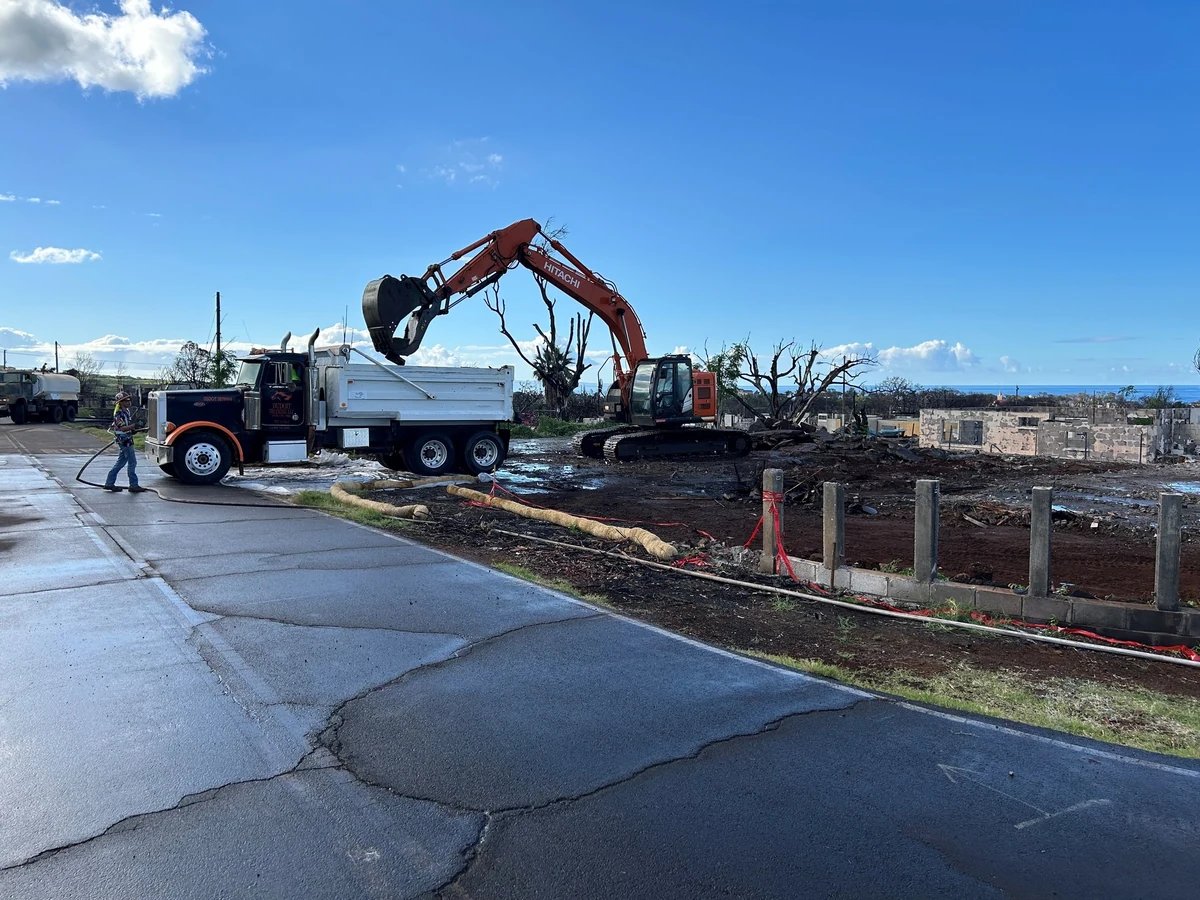
Rapid fire caused major loss of life, housing, businesses, and cultural places, while displacement and service pressure continued beyond response.
Key milestones
- August 2023: Wildfires destroyed Lahaina homes and cultural places, making shelter and long-term rebuilding simultaneous tasks.
- August 2024: The first survivors moved into emergency housing at the former Haggai Institute, advancing interim accommodation.
- November 2024: Kilohana temporary housing opened, adding stable accommodation and a permanent sewer connection.
Recovery progress
The 2025 county address records a shift toward long-term recovery: residents were entering Haggai and Kilohana housing, alongside a community-informed recovery plan. Interim occupancy did not resolve permanent housing needs.
Recovery challenges
Lahaina is both a residential community and a place of Native Hawaiian cultural and historical importance. Hazardous debris, water and sewer restoration, cultural protection and housing affordability required connected decisions.
Evidence boundary
This case uses durable themes on housing, community participation, and coordinated rebuilding from Maui County’s public recovery record. Project counts, funding, and milestones change; current decisions must use the latest county and state pages.
What recovery depended on
| Observation or task | Action and boundary |
|---|---|
| Interim housing occupied | A usable temporary home changes daily stability, but its opening does not settle the household’s permanent housing, tenure or affordability. |
| A site prepared for rebuilding | Debris clearance, utility connections, permissions and cultural concerns can move on different schedules. Report each stage rather than calling the whole site “recovered.” |
| A community-informed plan | Consultation and implementation are different stages. Look for how a stated concern connects to a decision and a later delivery record. |
What travels, and what does not
The Haggai and Kilohana milestones are useful precisely because they name a concrete change: people gained another interim housing option. They should not be stretched into a claim that Lahaina’s housing problem was solved. For another community, the transferable method is to describe what a milestone makes possible and what remains blocked. A housing update could separately describe occupancy, services and the next decision, without promising a permanent outcome. Maui’s land history, Native Hawaiian cultural relationships and housing market make its decisions locally specific. Protecting cultural places is not a decorative addition to a construction schedule, and a project opening is not evidence of equal access for every displaced household.
A question for the community
What would make a temporary-housing update useful to a displaced household: the opening date, access rules, services, the next decision, or another missing detail?