
Preparedness & recovery
How Do You Create a Simple Family Emergency Communication Plan?
Use 20 minutes for a one-page plan: household and care contacts, one out-of-area contact, two meeting points, evacuation and shelter conditions, critical needs, and a practice date.
SharedMorrow Editorial · Last reviewed 2026-10-05
Direct answer
Use 20 minutes for a one-page plan: household and care contacts, one out-of-area contact, two meeting points, evacuation and shelter conditions, critical needs, and a practice date.
A checklist to keep
- Choose one out-of-area contact willing to relay brief messages, plus a backup if that person is unavailable. Make sure every household member knows the same names and has the numbers on paper as well as in a phone.
- Agree two meeting options: one near home for a local problem and another outside the immediate area if the first cannot be reached safely. Do not publish private addresses or current movements in a public community thread.
- Write a short check-in format: who is checking in, whether they are safe, where an agreed contact can reach them and when they will check again. Text may get through when calls are congested; save battery and avoid repeated non-urgent calls.
- Practise the plan without contacting emergency services as a test. Ask a child or a household member who did not write it to explain the next step. Revise unclear instructions and arrange support for hearing, language or mobility needs.
Worked example — illustrative
A parent is at work and a child is at school when mobile service becomes unreliable. A useful plan names the person authorized to collect the child and the out-of-area contact who receives updates. It does not send the child travelling alone to a distant meeting place. In a rehearsal, ask what happens if the usual collector cannot arrive.
Start here
List each person’s phone, school or work, clinician, caregiver, and one contact outside the affected area, then give everyone a paper card.
Work through the decision
Choose a nearby meeting point and one outside the neighborhood; write when to use each and that official instructions override the plan. Agree on text-first check-ins at set times and a short format; memorize one or two numbers in case devices are lost.
Common mistake
Record needs for children, older adults, disability, medicine, pets, language, and transport, assigning who helps and carries essential items. A complex plan stored on one phone, no backup meeting point, or a plan never practiced is likely to fail under stress.
When to stop and get help
For immediate danger, call local emergency services and follow evacuation, shelter, or medical instructions rather than traveling against them to complete the family plan.
Next step
Walk through the plan, test routes and contacts, note failures, and update after moves, school or medicine changes, or every six months.
Choose the next action
| Observation or task | Action and boundary |
|---|---|
| Cannot reach another household member | Send a brief message and contact the agreed relay person; avoid everyone repeatedly calling everyone else. |
| First meeting place is unsafe or inaccessible | Use the agreed alternative only if the journey is safe and consistent with local instructions. |
| School, care facility or workplace has its own plan | Confirm collection and authorization rules in advance; a family meeting point cannot override those procedures. |
Confirm locally before acting
Check school release rules, care arrangements, accessible transport and local emergency messaging. Keep contact cards current and obtain the relay person’s agreement. In conflict or displacement settings, share location only with trusted recipients when doing so is safe.
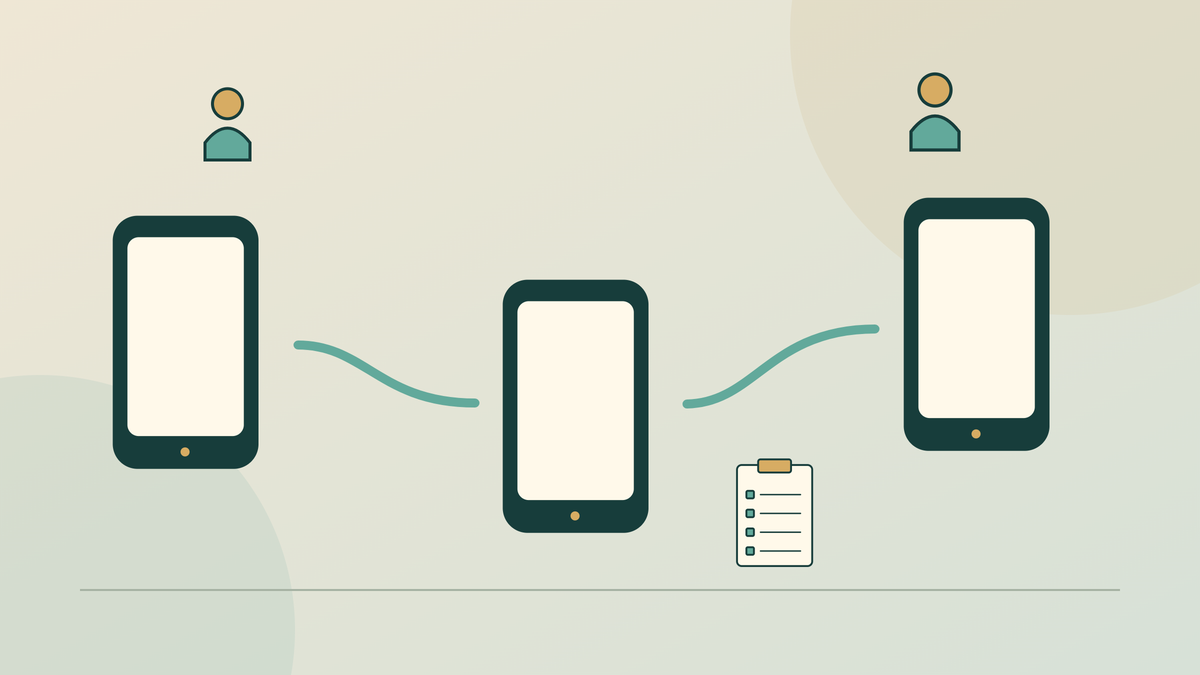
One-page family contact-plan sample
| Item | What to write (no passwords or identity numbers on the card) |
|---|---|
| Out-of-area contact | Name / two ways to reach them |
| Nearby meeting point | Place / condition for using it |
| Backup point outside the area | Place / condition for safe travel |
| Check-in window | For example 09:00 and 18:00, with time zone |
| Short message format | Safe or need help / general area / next check-in |
| Official instruction overrides | Which evacuation or closure notice changes the plan |