
Preparedness & recovery
What Should Actually Go Into a Household Emergency Kit?
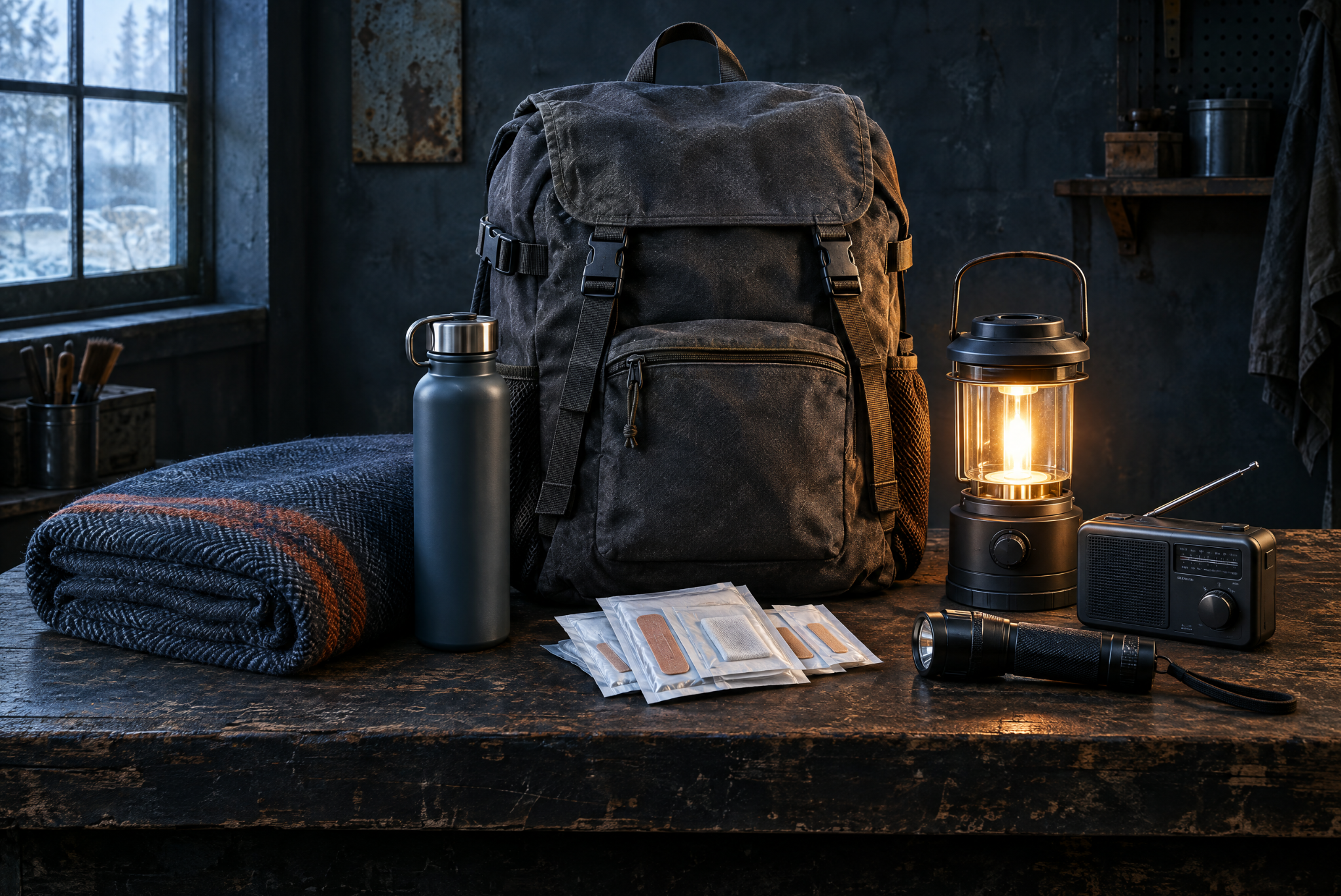
Build around household members, local hazards, and expected self-sufficiency: water, shelf-stable food, medicine, light, information, communication, hygiene, protection, and critical records.
SharedMorrow Editorial · Last reviewed 2026-10-05
Direct answer
Build around household members, local hazards, and expected self-sufficiency: water, shelf-stable food, medicine, light, information, communication, hygiene, protection, and critical records.
Start here
List needs that cannot be interrupted for health, mobility, infants, pets, and climate, including regular medicine, spare glasses, and device batteries. Pack water, no-cook food, flashlights, battery or hand-crank radio, charging, first aid, masks, gloves, and hygiene items.
Work through the decision
Add paper contacts and plan, local map, some cash, keys, and waterproof copies of identity, medical, housing, and insurance records.
Common mistake
Separate a stay-at-home kit from a portable evacuation bag, label weight and carrier, and do not make one person carry everything. Buying lots of gear while missing water, medicine, contacts, and portability—or storing blades, fuel, and batteries together—reduces usefulness and adds hazard.
When to stop and get help
For oxygen, refrigerated medicine, powered medical equipment, accessible transport, or special diets, make a dedicated backup plan with clinicians and local emergency services.
Next step
Every six months and after seasonal changes, rotate water, food, medicine, batteries, clothing, and expired records, and test lights, radio, and cables.