
Earthquakes & tsunamis
When Is It Safe to Re-enter a Home After an Earthquake?
Consider going inside only after local authorities permit return, no obvious structural or fire hazard is visible, and the approach is safe. A standing building is not automatically a safe building.
SharedMorrow Editorial · Last reviewed 2026-10-05
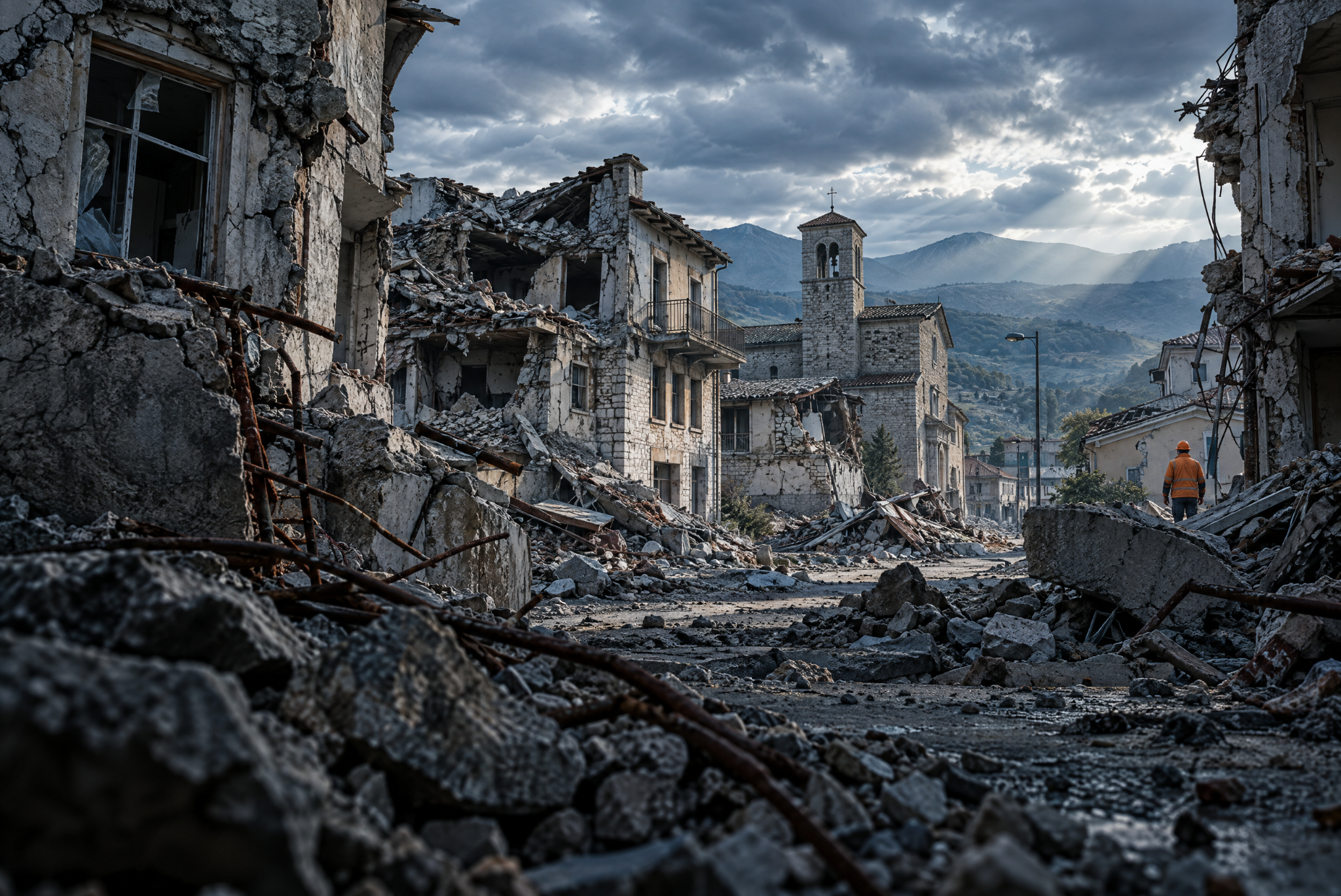
Direct answer
Consider going inside only after local authorities permit return, no obvious structural or fire hazard is visible, and the approach is safe. A standing building is not automatically a safe building.
Start here
Check emergency-management, fire, or building-department messages first; do not cross a closure because another resident has returned. From outside, look for new leaning, settlement, major cracks, falling material, downed lines, smoke, gas odor, and standing water without approaching damaged walls.
Work through the decision
If it can be done without entering danger, isolate utilities; leave and call the provider if you see sparks, hear hissing, smell gas, or find electrical equipment in water.
Common mistake
Make the first entry brief, wear sturdy shoes plus head and hand protection, keep an exit open, and expect aftershocks. Do not treat working lights, an unlocked door, a neighbor’s return, or a phone photo as structural clearance.
When to stop and get help
Leave immediately for visible deformation, new sounds, persistent gas odor, wet electrical systems, fire, or physical symptoms, and contact local emergency services or a qualified professional.
Next step
Photograph damage and time-stamp notes. Wait for qualified inspection when foundations, load-bearing elements, chimneys, or utilities are in doubt.