
Before a crisis
Learn local hazards and official information channels, agree on contact arrangements, and reduce unsecured household hazards.
Topic
Start with focus, epicentre, magnitude and intensity to understand how earthquake and tsunami information is produced, where it applies, and why recovery can take years. This page is not a live warning service.
Learn local hazards and official information channels, agree on contact arrangements, and reduce unsecured household hazards.
Follow current local instructions; do not replace official warnings with social posts or circulate unverified casualties and locations.
Separate immediate relief, temporary accommodation and long-term rebuilding; keep checking date, place, affected groups and unknowns.
Confusing measures changes the conclusion. A report of magnitude and a report of intensity at one location are not comparable numbers; local geology can also amplify shaking far from the epicentre.
Common errors are treating the epicentre as the place of greatest damage or assuming a smaller magnitude cannot be serious. Depth, distance, buildings, soil and preparedness shape local effects.
Record time, location, depth, reporting agency and revision, then check local intensity and guidance. Compare like with like, and use only the current local authority for tsunami action.
Scenario: an earthquake is reported as magnitude 7.0, yet two cities experience very different damage. Record magnitude, depth, distance, local intensity, ground conditions and building exposure separately, then identify the current coastal authority for tsunami information. One number cannot stand in for local impact.
Scales, building codes and update practices differ by country. FAQ: can aftershocks be predicted precisely? Their exact time, place and size generally cannot be specified, so follow official risk information.
Q: Is a lower magnitude always safer? A: No. Depth, distance, ground, construction and exposure can change consequences. Q: Can aftershocks be predicted precisely? A: Generally not by exact time, place and size; keep following current local notices.
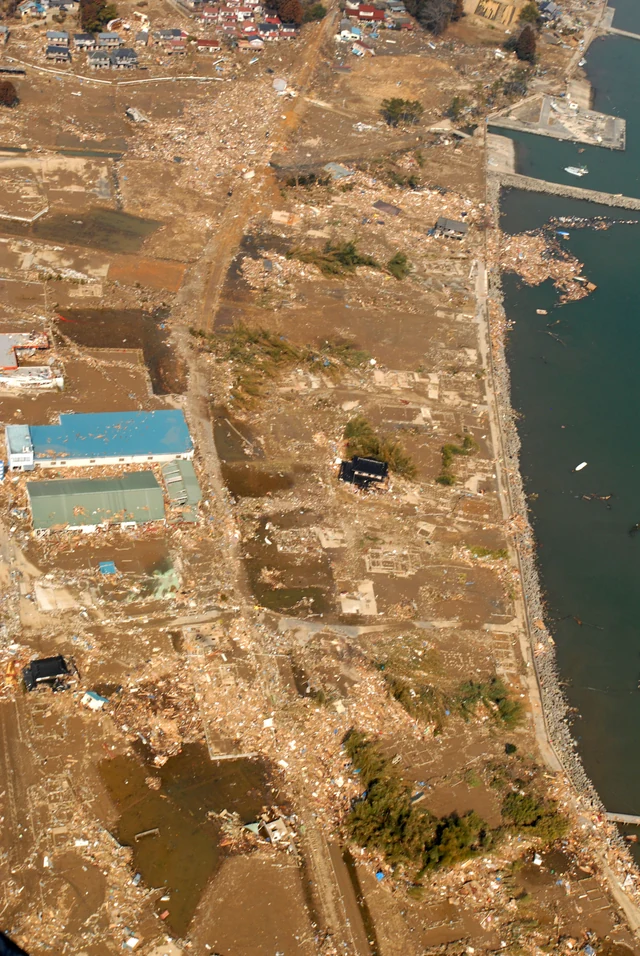 ExplainerWhy is the first tsunami wave not always the largest?A tsunami is a sequence of long waves, not necessarily one towering breaker. The source, ocean floor and coastline reshape that sequence, so an early lull does not establish that the danger has passed.
 ExplainerEarthquake early warning is not earthquake predictionEarly warning detects an earthquake that has already begun and tries to send information before stronger shaking reaches a location. Prediction would specify a future earthquake before it starts. The distinction explains both the value and the limits of an alert.
Official SharedMorrow editorial account for curated resources, topic maintenance, and community discussion starters.