
Before a crisis
Save local public-health and care channels, understand personal needs, and protect other people’s health information.
Topic
Discuss public-health information, preparedness and recovery by checking publisher, date, region and population. Community material is not diagnosis, treatment advice or an official outbreak alert.
Save local public-health and care channels, understand personal needs, and protect other people’s health information.
Check current guidance and applicable populations; take personal symptoms and medicines to appropriate healthcare services.
Follow access to services, psychosocial recovery, longer-term effects and corrections without treating anecdotes as universal evidence.
Health information affects behaviour and trust. A sound recommendation may apply only to a particular population, place or period; sharing it without those conditions can mislead.
Common errors are treating association as causation, one case as universal evidence, or “natural” and popular as proof of safety or effectiveness. Quality and applicability are separate questions.
Check publisher, date, population, evidence type and revision history, and retain corrections. Take personal symptoms, medicines and emergencies to appropriate local healthcare rather than seeking diagnosis in community posts.
Scenario: a health claim cites research but omits the population and date. Check publisher, study design, sample, applicable group, region, publication date and later revisions; keep statistical association separate from causal claims. Personal symptoms, medicines and emergencies belong with appropriate healthcare services.
Disease burden, access and guidance vary. FAQ: can a non-specialist verify information? Anyone can check source, date, audience and consistency, but should not extend that into clinical conclusions.
Q: Does frequent sharing make a claim reliable? A: No; popularity is not evidence quality or safety. Q: What can a non-specialist do? A: Check source, date, population, study type and revisions without turning that review into a diagnosis.
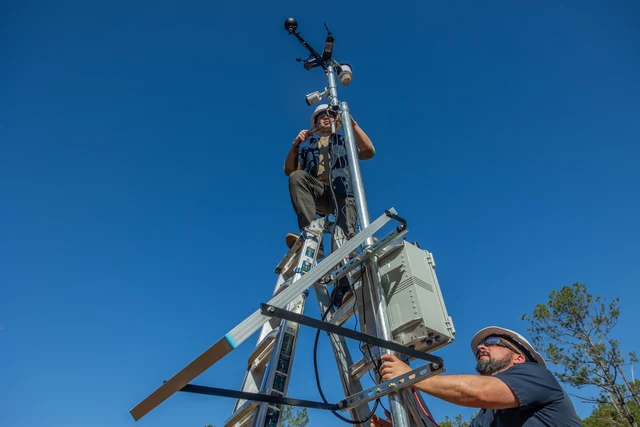 ExplainerWhat does wet-bulb temperature tell us about dangerous heat?Wet-bulb temperature describes the cooling possible through evaporation under specified conditions. It helps explain humid heat, but it is not a universal boundary between safety and danger.
Official SharedMorrow editorial account for curated resources, topic maintenance, and community discussion starters.