
Before a crisis
List critical services, official update channels and realistic alternatives without assuming every system has equal backup.
Topic
Understand how accidents and system crises propagate through interdependent electricity, communications, water, transport and health services, using local evidence rather than assumptions from generic diagrams.
List critical services, official update channels and realistic alternatives without assuming every system has equal backup.
Confirm scope, timing and safety notices first; avoid damaged infrastructure and treat restoration estimates as provisional.
Check follow-on effects on data, equipment, water, transport and vulnerable people, and retire unsafe temporary measures.
City systems are interdependent: power supports communications, pumps, refrigeration and payments, while communications support dispatch and updates. A local fault can therefore reach beyond lighting.
Common errors are treating a restoration estimate as a promise or transferring another city’s backup capacity to the local case. Scope, load, damage and staff access change recovery.
Use operator and safety notices; record scope, start time, latest update and restrictions. Prepare feasible alternatives for essential communication, light and personal needs without unsafe electrical or fuel improvisation.
Scenario: an operator publishes an estimated restoration time after an outage. Record it as a revisable estimate, not a promise, while checking communications, pumps, refrigeration, payments and medical equipment. Prepare safe alternatives without improvised wiring, fuel handling or indoor generation.
High-rises, rural networks, hospitals and extreme weather have different dependencies. FAQ: does restored electricity mean every service is back? No; check water, communications, transport and equipment separately.
Q: Is everything restored when power returns? A: Not necessarily; networks, water pressure, transport, cold chains and equipment may need separate checks. Q: Can another city’s backup capacity be assumed locally? A: No; load, assets, staffing and damage differ.
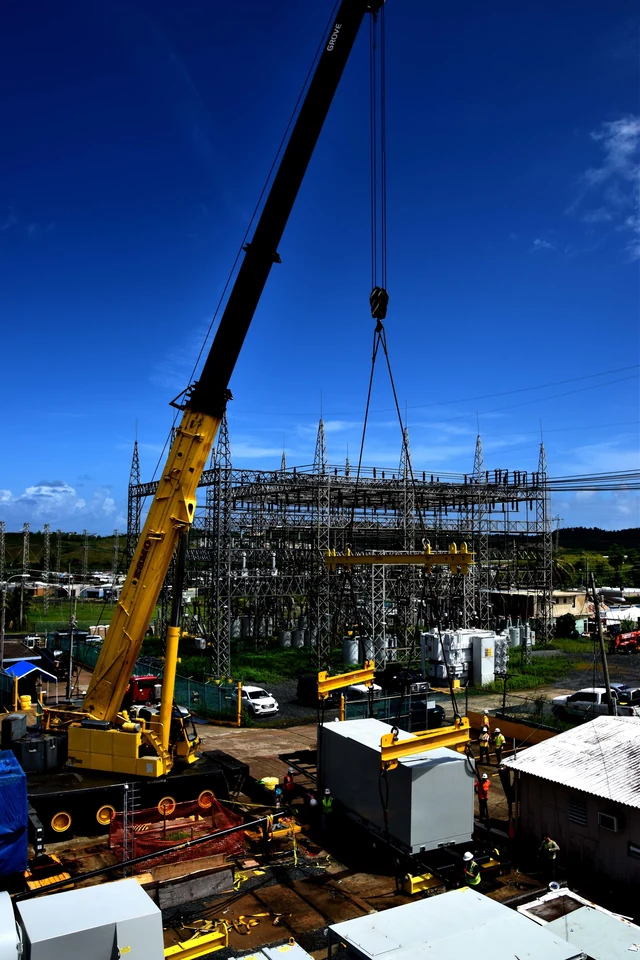 ExplainerHow can one infrastructure failure trigger several others?Electricity, water, communications, transport and fuel systems depend on one another. A disruption can spread through those connections even when the original hazard has not physically damaged every service.
Official SharedMorrow editorial account for curated resources, topic maintenance, and community discussion starters.